What Happens Legally If a Plane Lands On a Highway?
When An Aircraft Makes An Emergency Landing Upon a Highway the Pilot Is Legally Required to Have the Aircraft Removed As Soon As Reasonably Possible. If the Highway Will Be Used For a Take-Off Then Police Must Approve And Control Traffic and the Take-Off Must Be Performed By a Commercial Pilot and Be Other Than the Pilot That Made the Landing.
Understanding the Law About Removal of An Aircraft After An Emergency Landing
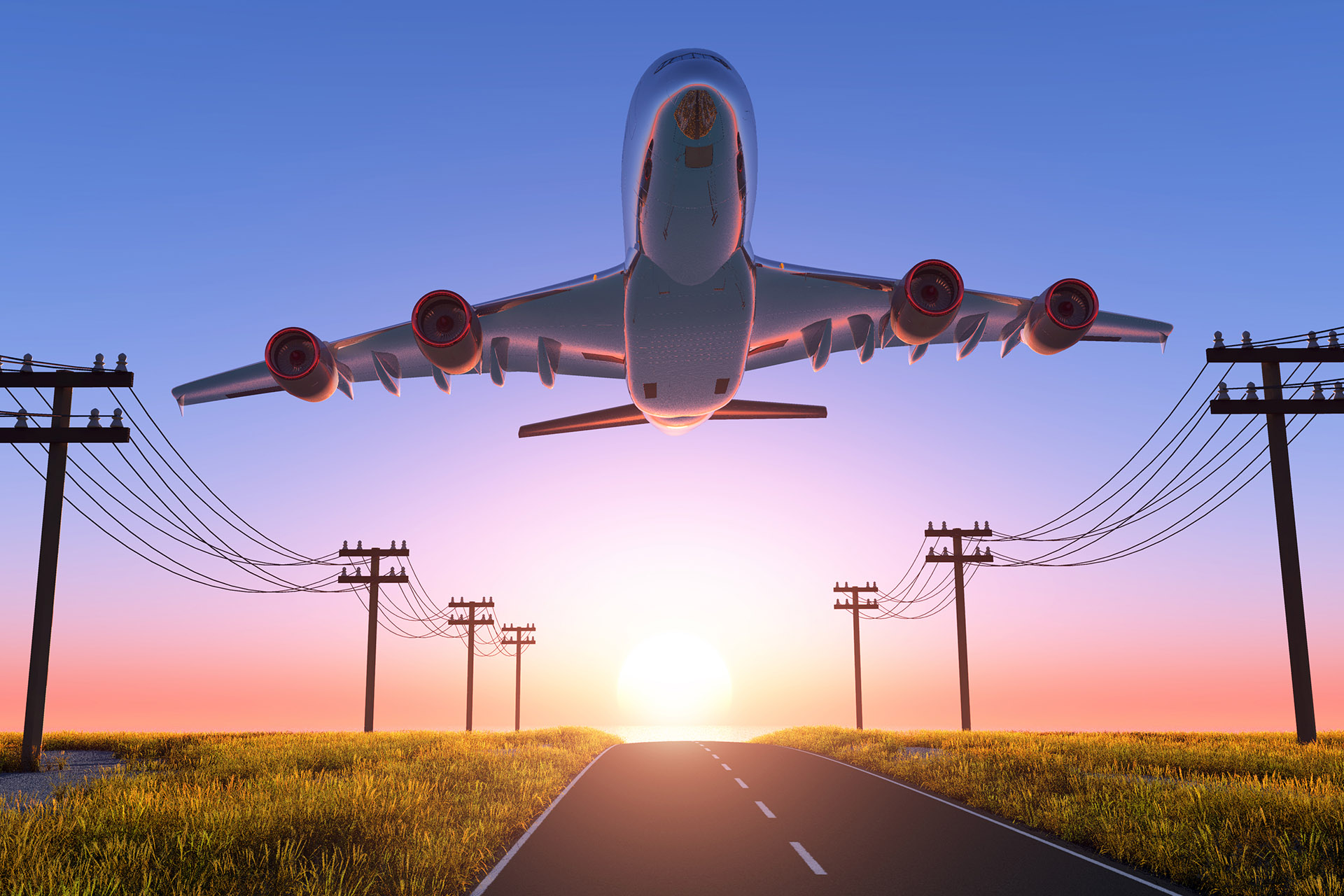 It is a very rare event; but does happen a few times per year, that an aircraft makes an emergency landing on a highway or roadway; and indeed, although without actual use of the highway, a plane did recently make an emergency landing next to Highway 404, a major multi-lane highway, in the Toronto area. After such a landing, the Highway Traffic Act, R.S.O. 1990, c. H.8 contains mandates regarding the timeliness and manner for the subsequent removal of the aircraft.
Note: Please contact Paladin LLP by phone at: (289) 925-1572 to discuss any specific questions that you may have.
The Law
After an emergency landing of an aircraft upon a highway, meaning any type of road defined as a "highway" per the Highway Traffic Act, the aircraft must be removed as soon as reasonably possible. Furthermore, the law states that if the removal of the plane, or other aircraft, will make use of the highway for a take-off, then a commercial pilot must perform the take-off and the commercial pilot must be someone other than the pilot who made the emergency landing. Also, as surely is common sense, a police force or police service must provide consent to using the highway for the take-off as well as providing traffic control. The Highway Traffic Act specifically states:
Aircraft on highways
Removal of aircraft from highway after emergency landing
187 (1) Where an aircraft has made an emergency landing on a highway, the pilot in command thereof, if he or she is physically capable, shall, as soon after landing as is reasonably possible, remove or cause it to be removed from the roadway.
Aircraft and movement along highway subject to Act
(2) Subject to subsection (3), no aircraft shall be driven or drawn along a highway unless the aircraft and the movement thereof comply with the provisions of this Act respecting vehicles and the movement thereof on a highway.
Aircraft take-off from highway
(3) Where an aircraft has landed on a highway because of an emergency related to the operation of the aircraft, the aircraft may take off from the highway provided,
(a) a licensed commercial pilot, not being the owner of the aircraft, who is qualified to fly that class and category of aircraft, and the pilot in command of the aircraft are both satisfied that the aircraft is airworthy and that there are no physical obstructions on or over the highway which would make such take-off unsafe;
(b) the pilot in command of the aircraft is satisfied that weather conditions are satisfactory for the purpose and that the minimum requirements are met under the visual flight rules established by the regulations made under the Aeronautics Act (Canada) or, if the flight is to be continued under instrument flight rules, that adequate arrangements can be made for obtaining a clearance from an air traffic control unit prior to entering instrument flight weather conditions;
(c) traffic control is provided by the appropriate police force; and
(d) the police force consents to the take-off.
Penalty
(4) Every person who contravenes this section is guilty of an offence and on conviction is liable to a fine of not more than $10,000.
No liability where good faith
(5) No proceeding for damages shall be instituted against a police force, police officer or pilot, for an act or an omission done or omitted to be done by it, him or her in respect of the subject-matter of subsection (3) where the force, officer or pilot was acting in good faith.
Penalty
As per section 187(4) of the Highway Traffic Act, as shown above, the fine for a violation is very significant at ten thousand ($10,000) dollars. This fine would also be subject to the statutory victim surcharge as well as court cost.
Summary Comment
Although it happens very infrequently, when an aircraft makes an emergency landing upon a highway, the pilot who did the landing is required to arrange for removal of the aircraft as soon as reasonably possible. If the highway will be used for take-off of the aircraft, then various special conditions must be followed.
Paladin LLP is an affordable Paralegal in:
NOTE: A significant volume of online searches for terms like “lawyers near me” or “best lawyer in” often indicate a pressing necessity for capable legal support, rather than a particular title or designation. In Ontario, licensed paralegals fall under the jurisdiction of the same Law Society that governs lawyers and possess the authority to represent clients in specific litigation matters. Advocacy, legal insight, and procedural expertise are fundamental to this role. Paladin LLP provides legal representation within its licensed framework, focusing on strategic positioning, evidence preparation, and compelling advocacy aimed at securing prompt and beneficial results for clients.